
Call us now :08045478056
 Send Inquiry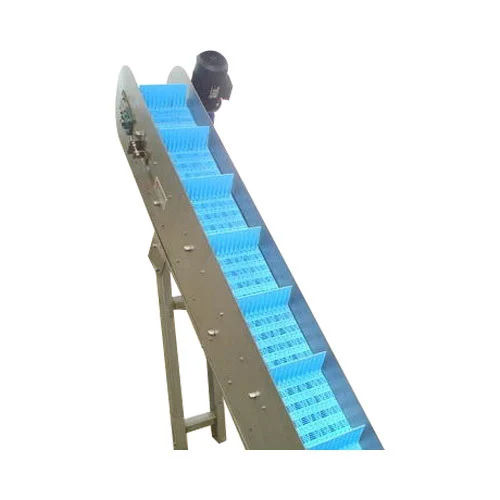
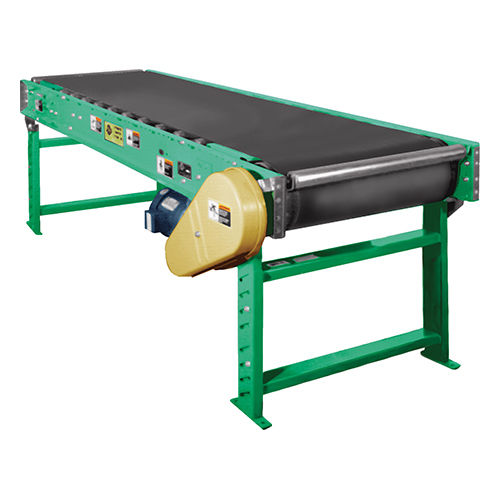
PVC Belt Conveyor
160000 INR/Unit
Product Details:
- Usage Industrial
- Material Metal
- Size Different Available
- Type Belt Conveyor
- Product Type PVC Belt Conveyor
- Voltage 220 Volt (v)
- Warranty Yes
- Click to View more
X
PVC Belt Conveyor Price And Quantity
- 5 Unit
- 160000 INR/Unit
PVC Belt Conveyor Product Specifications
- Yes
- Belt Conveyor
- 220 Volt (v)
- Metal
- PVC Belt Conveyor
- Industrial
- Different Available
PVC Belt Conveyor Trade Information
- Cash Advance (CA)
- 200 Unit Per Month
- 10 Days
- All India
Product Description
A PVC Belt Conveyor is a type of conveyor system that uses a belt made of polyvinyl chloride (PVC) to transport products along a production line. PVC is a versatile and durable material that is commonly used in a wide range of industries, including manufacturing, food processing, and packaging. The PVC belt is driven by a motor and is supported by rollers, allowing for smooth and efficient material handling. The conveyor can be designed to meet the specific requirements of individual operations, including custom lengths, widths, and heights, and is capable of handling heavy loads. PVC belt conveyors are known for their durability, reliability, and low maintenance requirements, making them a popular choice for many industrial applications. Additionally, PVC is a food-grade material, making PVC belt conveyors ideal for food processing and packaging operations.
| Usage/Application | Packaging |
| Material Handling Capacity | 50-100 kg per feet |
| Brand | Devanshi Engineering |
| Condition | New |
| Application | Ceramic Industry |
| Belt Material | PVC |
| Length | 10-20 feet |
| Operating Speed | 1-2 m/s |
| Voltage | 230V |
Optimized Industrial Material Handling
PVC Belt Conveyors are meticulously engineered to streamline industrial workflows by efficiently transporting materials across production lines. Their sturdy metal framework and adaptable size options allow seamless integration into existing setups, enhancing productivity and reducing manual handling. This dependable solution supports high operational demands, making it a favored choice in manufacturing and distribution sectors.
Reliability with Warranty Assurance
These belt conveyors come with a one-year warranty, reflecting the manufacturer's commitment to product quality and customer satisfaction. The inclusion of metal construction paired with a resilient PVC belt guarantees longevity and minimal downtime, resulting in reduced maintenance needs and greater operational stability for industrial users across India.
FAQ's of PVC Belt Conveyor:
Q: How does a PVC Belt Conveyor operate in industrial settings?
A: A PVC Belt Conveyor works by continuously moving items along a customized belt made of durable PVC, driven by electric motors powered by 220 Volt (v) supply. The system's metal construction ensures stable and efficient movement of goods in high-demand industrial environments like manufacturing and warehousing.Q: What materials are used in manufacturing these conveyor belts?
A: These conveyors are primarily constructed from strong metal frames, which provide structural integrity and resilience. The belts themselves are crafted from high-quality PVC, ensuring smooth material flow and resistance to wear and tear common in industrial operations.Q: When should I consider installing a PVC Belt Conveyor system?
A: It is advisable to install a PVC Belt Conveyor system when your facility requires efficient, continuous, and automated material transportation to improve productivity and reduce manual labor. They are particularly beneficial in environments with repetitive handling or bulk goods movement.Q: Where are PVC Belt Conveyors typically used?
A: These conveyors are predominantly utilized in industrial facilities throughout India, including factories, warehouses, assembly lines, and distribution centers. Their adaptability allows placement in spaces needing reliable and customizable material handling solutions.Q: What is the process for selecting the right size and configuration?
A: Choosing the correct PVC Belt Conveyor involves assessing your specific industrial needs, including material type, load capacity, and spatial constraints. Manufacturers and suppliers provide guidance and a range of sizes to ensure the system integrates effectively with your operations.Q: How can I benefit from using a PVC Belt Conveyor in my facility?
A: Implementing a PVC Belt Conveyor boosts operational efficiency by streamlining material transport, reducing downtime, and minimizing manual labor. Its durable build and customizable features offer long-term benefits and adaptability to changing industrial requirements.Tell us about your requirement

Price:
Quantity
Select Unit
- 50
- 100
- 200
- 250
- 500
- 1000+
Additional detail
Mobile number
Email

Other Products in 'Belt Conveyor' category
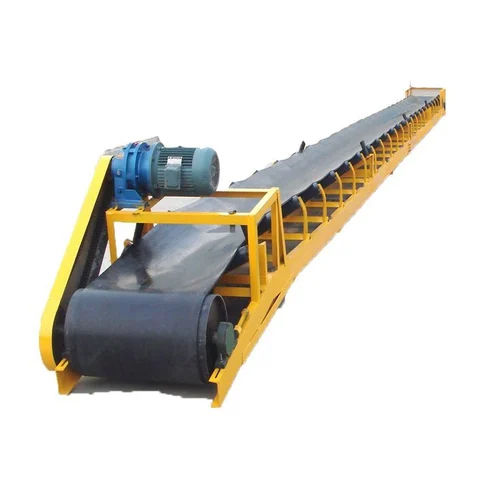
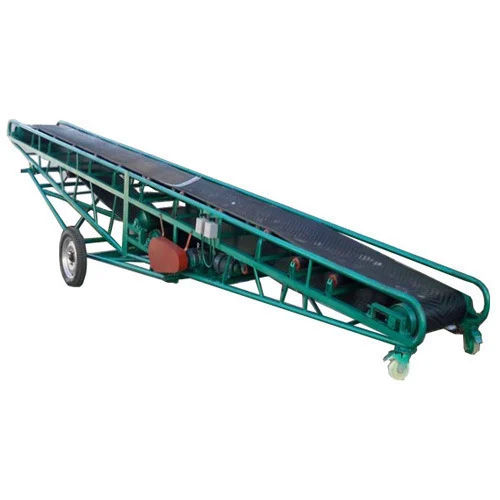
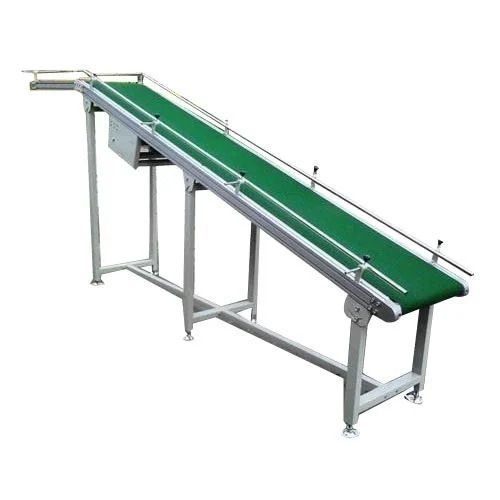

"Deals in bulk quantity only."
 Send Inquiry
Our Products
- Roller Conveyor
- Overhead Conveyor
- Belt Conveyor
- Chain Conveyor
- Hanging Conveyor
- Conveyor System
- Polyurethane Roller
- Handling Conveyor
- Conveyor Roller
- Plastic Products
- Chip Conveyor
- PU Belt
- Roller Wheel
- Printing Roller
- Lead Screw
- Industrial Conveyor Table
- Assembly Line
- Electric Motors
- Shafts Collars
- Industrial Printing And Packaging Roller
- PVC Pipes
- Industrial Screw Jack
- Pipes Fittings
- V Pulley
- Worm Gear Reducer
- Worm Motor
- Engineering Plastics
- Conveyor Drum
- Sruba Trapezowatr Scisk Stolarski
- Screw Jacks
- Slat Conveyor
- Conveyor Bearing
- Aluminum Pulley
- Trapezoidal Nut
- Conveyour & Parts
- BUCKET ELEVATOR
- Silicone Hose
- Textile Roller


Plot No. 309/1/B, G.I.D.C., Near Doctor & Doctor. Co., Makarpura Industrial Estate,Vadodara - 390010, Gujarat, India

Mr. Rajesh
(Proprietor)
Mobile :08045478056
 Send Inquiry
 Send SMS
 Call Me Free
Developed and Managed by Infocom Network Private Limited.
 English
 Spanish
 French
 German
 Italian
 Chinese (Simplified)
 Japanese
 Korean
 Arabic
 Portuguese